
Zoom Download (2026) – 10 Powerful Video Conferencing and Online Meeting Features for Android Users
Just Now
9.5 MB
V7.1
Andriod +
100M +
Description
Zoom is a popular communication platform that helps people connect through online meetings, video calls, webinars, and messaging. It allows individuals, students, teachers, and businesses to communicate from different locations without needing to meet in person. With its simple interface and useful collaboration tools, Zoom has become an important part of modern digital communication.
The platform supports different communication needs, from personal conversations to professional meetings and online training sessions. Users can share screens, exchange messages, record meetings, and collaborate through digital whiteboards. Whether someone is working remotely, attending online classes, or organizing a business presentation, Zoom provides convenient tools for staying connected.
Zoom’s Journey – How a Video Conferencing Tool Became a Global Platform
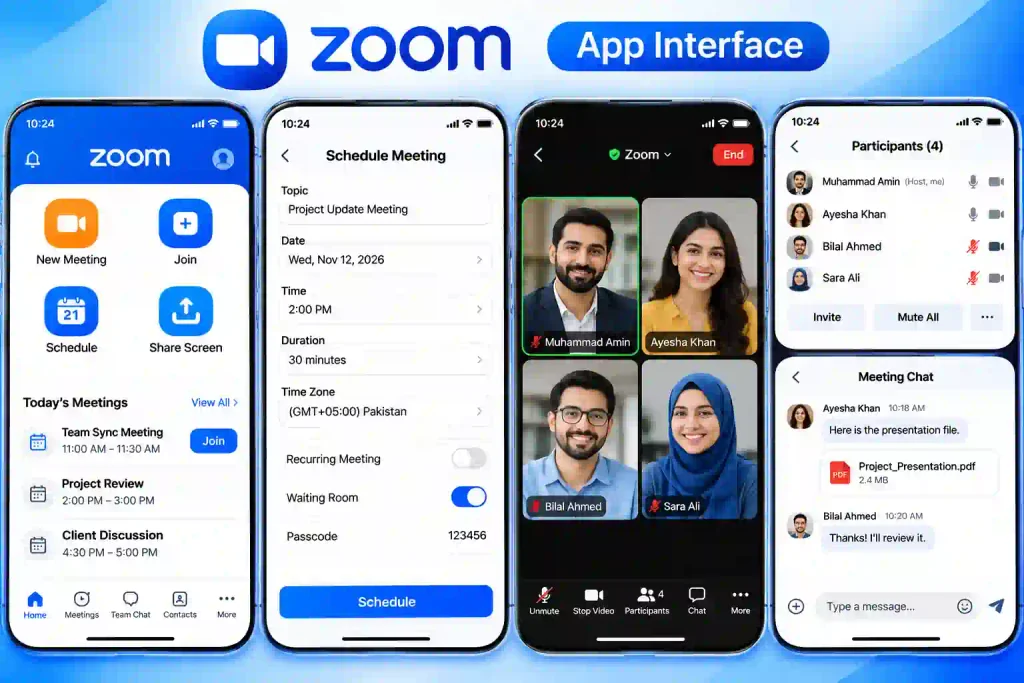
Zoom was founded in 2011 by Eric Yuan with the goal of making video communication easier and more reliable. The platform officially launched in 2013 and gradually attracted businesses, educational institutions, and individual users. Its straightforward meeting experience and accessible communication features helped it become a recognized name in video conferencing.
Zoom experienced significant worldwide growth during the COVID-19 pandemic, when remote work, online education, and virtual meetings became essential. Over time, the company expanded beyond video meetings by introducing services such as Zoom Phone, Zoom Rooms, Team Chat, Webinars, and AI-powered assistance. Today, Zoom offers a broader workplace communication platform for individuals and organizations. You can visit the website Apkmoz
Understanding Zoom – Core Services and Communication Solutions
- Video Meetings: Connect with people through online video and audio sessions.
- Team Chat: Exchange direct messages and communicate in group conversations.
- Webinars: Host online presentations and large virtual events.
- Zoom Phone: Make and receive business calls through cloud-based phone services.
- Zoom Rooms: Set up professional meeting spaces for offices and conference rooms.
- Zoom Whiteboard: Share ideas and collaborate using a digital workspace.
- Zoom Clips: Create and share short video messages.
- Zoom Workplace: Access different communication and productivity tools in one platform.
Zoom Account Registration – Creating Your Personal or Professional Account
- Visit the official Zoom website or install the Zoom mobile application.
- Select the option to sign up for a new account.
- Enter your email address or choose an available sign-up method.
- Verify your email address if requested.
- Provide the required account information.
- Create a secure password when applicable.
- Sign in to access your Zoom account.
- Review your profile and account settings.
Zoom Workspace – Exploring the Main Dashboard and Navigation
- Home: Access the main dashboard and meeting shortcuts.
- Meetings: View scheduled and previous meeting information.
- Team Chat: Open individual and group conversations.
- Contacts: Find and manage people you communicate with.
- Whiteboards: Access collaborative digital boards.
- Recordings: Manage available cloud and local recordings.
- Profile: Update your personal account information.
- Settings: Customize audio, video, notifications, and privacy preferences.
Zoom Meetings – Hosting and Joining Online Video Sessions
- New Meeting: Start an online meeting immediately.
- Join Meeting: Enter an existing meeting using its ID or invitation link.
- Personal Meeting Room: Use your personal meeting space when available.
- Meeting Invitations: Share joining details with participants.
- Video Communication: Talk with other participants using your camera.
- Audio Communication: Participate using your microphone or telephone options.
- Participant Management: View people attending the meeting.
- Meeting Exit: Leave the session when your participation is complete.
Zoom Meeting Controls – Managing Audio, Video, and Participant Settings
- Microphone Control: Mute or unmute your microphone.
- Camera Control: Turn your video on or off.
- Participant List: Check who has joined the meeting.
- Mute Participants: Manage participant audio when host permissions allow.
- Security Controls: Adjust meeting access and available permissions.
- Chat Access: Send messages during the meeting.
- Reactions: Respond using available emojis and meeting reactions.
- Leave Meeting: Exit the session safely.
Zoom Scheduling – Planning Meetings and Managing Invitations
- Schedule a Meeting: Create a meeting for a future date and time.
- Meeting Topic: Add a clear title for the session.
- Date and Time: Select the meeting schedule.
- Duration: Set the expected meeting length.
- Time Zone: Choose the correct time zone for participants.
- Recurring Meetings: Arrange repeated sessions when needed.
- Security Options: Configure passwords and waiting rooms.
- Calendar Integration: Add meeting details to supported calendar services.
Zoom Waiting Room – Controlling Participant Entry and Meeting Access
- Waiting Room: Keep participants outside the meeting until admitted.
- Host Approval: Allow the host to review joining requests.
- Admit Participants: Bring selected people into the session.
- Remove Participants: Remove unwanted attendees when necessary.
- Security Management: Reduce the risk of unexpected access.
- Participant Notifications: Receive alerts when people arrive.
- Meeting Access: Manage entry according to the meeting settings.
- Host Controls: Maintain better control over meeting participation.
Zoom Screen Sharing – Presenting Documents, Slides, and Applications
- Desktop Sharing: Display your computer screen to participants.
- Application Sharing: Share a selected application window.
- Document Presentation: Show supported documents during meetings.
- Presentation Slides: Present business or educational slides.
- Video Sharing: Share supported video content.
- Whiteboard Sharing: Display a collaborative digital workspace.
- Sharing Permissions: Control who can share their screen.
- Annotation Tools: Add notes or markings when available.
Zoom Whiteboard – Collaborating Through Digital Drawing and Notes
- Digital Canvas: Use a shared space for visual collaboration.
- Drawing Tools: Create diagrams and simple illustrations.
- Sticky Notes: Add comments and important ideas.
- Text Elements: Write information directly on the board.
- Shapes and Lines: Organize information visually.
- Team Collaboration: Allow participants to contribute ideas.
- Templates: Use available layouts for different activities.
- Board Sharing: Share collaborative work with permitted users.
Zoom Chat – Communicating Through Private and Group Messages
- Direct Messages: Send private messages to individual contacts.
- Group Conversations: Communicate with multiple people.
- File Sharing: Exchange supported documents and attachments.
- Message Replies: Respond to specific messages.
- Emojis: Add reactions to conversations.
- Search: Find previous messages and shared information.
- Notifications: Receive alerts about new conversations.
- Chat Management: Organize conversations according to available options.
Zoom Reactions – Using Emojis and Non-Verbal Meeting Responses
- Emoji Reactions: Express feelings during meetings.
- Raise Hand: Request permission to speak.
- Thumbs Up: Show agreement or approval.
- Applause: Appreciate a presentation or contribution.
- Quick Responses: React without interrupting the speaker.
- Participant Interaction: Encourage audience participation.
- Host Feedback: Help presenters understand audience responses.
- Meeting Engagement: Make virtual sessions more interactive.
Zoom Breakout Rooms – Organizing Participants into Smaller Discussion Groups
- Create Rooms: Divide participants into smaller groups.
- Automatic Assignment: Distribute participants automatically when available.
- Manual Assignment: Select participants for specific rooms.
- Room Discussions: Allow smaller groups to communicate privately.
- Host Monitoring: Manage breakout rooms during sessions.
- Broadcast Messages: Send instructions to breakout rooms.
- Return to Main Session: Bring participants back together.
- Group Activities: Support workshops, training, and classroom discussions.
Zoom Recording – Saving Meetings for Future Reference
- Meeting Recording: Record eligible meetings with permission.
- Local Recording: Save recordings to a supported computer.
- Cloud Recording: Store recordings online when the account supports it.
- Recording Controls: Start, pause, or stop recordings when permitted.
- Audio and Video: Capture meeting content according to recording settings.
- Playback: Review saved meeting recordings.
- Sharing: Share recordings with authorized viewers.
- Storage Management: Organize and manage available recordings.
Zoom Transcription – Converting Meeting Conversations into Text
- Live Transcription: Display spoken words as text when supported.
- Automated Captions: Help participants follow conversations.
- Meeting Transcripts: Access text versions of eligible recorded meetings.
- Searchable Content: Find important information in available transcripts.
- Language Support: Use supported language options.
- Accessibility: Assist participants who prefer reading captions.
- Meeting Review: Revisit important discussions.
- Transcript Management: Access or share transcripts according to permissions.
Zoom AI Companion – Exploring AI-Powered Meeting Assistance
- Meeting Summaries: Generate summaries of eligible meetings.
- Smart Notes: Help organize important discussion points.
- Action Items: Identify potential follow-up tasks.
- Chat Assistance: Help users compose or improve messages.
- Question Assistance: Support users with meeting-related information.
- Content Support: Assist with drafting and organizing ideas.
- Productivity: Reduce the effort involved in reviewing discussions.
- Availability: Features depend on the account, settings, region, and subscription.
Zoom Clips – Creating and Sharing Short Video Messages
- Video Recording: Create short video messages.
- Screen Recording: Explain information by recording your screen.
- Camera Recording: Present information directly to the camera.
- Video Communication: Share updates without arranging a live meeting.
- Content Sharing: Send clips to permitted viewers.
- Business Updates: Explain projects and workplace information.
- Learning Materials: Create short instructional videos.
- Clip Management: Organize and manage available recordings.
Zoom Webinars – Delivering Online Presentations to Large Audiences
- Webinar Hosting: Organize online presentation sessions.
- Panelists: Invite selected speakers to participate.
- Audience Registration: Collect registrations when enabled.
- Live Presentations: Deliver information to online audiences.
- Q&A Sessions: Allow attendees to submit questions.
- Polls: Collect audience feedback.
- Recording: Save eligible webinar sessions.
- Audience Management: Manage attendee participation and permissions.
Zoom Events – Organizing Virtual and Hybrid Experiences
- Virtual Events: Organize online conferences and gatherings.
- Event Registration: Manage attendee sign-ups.
- Event Sessions: Arrange different presentations and activities.
- Networking: Support communication between attendees.
- Speaker Management: Organize presenters and session hosts.
- Event Information: Share schedules and important details.
- Attendee Experience: Provide access to event-related activities.
- Hybrid Experiences: Support events combining online and in-person participation.
Zoom Phone – Understanding Cloud-Based Business Calling
- Cloud Calling: Make business calls through an internet-based phone service.
- Business Numbers: Use supported business phone numbers.
- Call Management: Handle incoming and outgoing calls.
- Voicemail: Access available voice messages.
- Call Forwarding: Redirect calls according to configured settings.
- Call History: Review previous calling activity.
- Business Communication: Connect employees and customers.
- Service Availability: Features depend on the selected plan and supported region.
Zoom Rooms – Building Professional Conference Room Experiences
- Conference Room Setup: Prepare dedicated spaces for virtual meetings.
- Room Displays: Connect compatible screens and displays.
- Audio Equipment: Use supported microphones and speakers.
- Video Cameras: Improve meeting visibility.
- Wireless Sharing: Present content from compatible devices.
- Room Scheduling: Manage meeting room availability.
- Hybrid Meetings: Connect office participants with remote attendees.
- Central Management: Control compatible room systems.
Zoom Workplace – Connecting Meetings, Team Chat, and Productivity Tools
- Unified Workspace: Access different communication tools in one environment.
- Meetings: Connect with colleagues and customers.
- Team Chat: Exchange workplace messages.
- Whiteboards: Collaborate on shared ideas.
- Phone: Manage supported business calling services.
- Clips: Share recorded video messages.
- Calendar Tools: Organize schedules and meetings.
- Productivity Features: Support everyday workplace communication and collaboration.
Zoom Security and Privacy – Protecting Meetings and Personal Information
- Meeting Passwords: Protect sessions with passwords.
- Waiting Rooms: Review participants before allowing entry.
- Host Controls: Manage meeting permissions.
- Screen Sharing Permissions: Restrict unwanted presentations.
- Participant Removal: Remove disruptive attendees.
- Encryption: Use supported security protections.
- Account Security: Protect your account with strong authentication.
- Privacy Settings: Review available privacy and data controls.
Zoom Integrations – Connecting Zoom with Popular Business Applications
- Calendar Applications: Connect supported calendar services.
- Email Services: Use compatible email integrations.
- Productivity Tools: Connect workplace applications.
- Learning Platforms: Support online education workflows.
- Business Software: Connect selected business applications.
- Cloud Storage: Work with supported file storage services.
- Developer Tools: Use available APIs and developer integrations.
- Integration Management: Review permissions and connected services.
Advantages and Disadvantages of Zoom
| Advantages | Disadvantages |
|---|---|
| Easy-to-use interface | Some advanced features require paid plans |
| Supports video and audio meetings | Requires a stable internet connection |
| Useful screen-sharing options | Video quality may decrease with weak internet |
| Supports online education and remote work | New users may need time to learn advanced tools |
| Offers webinars and virtual events | Some services have regional restrictions |
| Includes chat and collaboration tools | Long meetings can consume significant data |
| Provides recording options | Cloud recording storage may be limited |
| Offers AI-powered assistance | AI features may not be available to every user |
Frequently Asked Questions (FAQs)
1. What is Zoom used for?
Zoom is used for online meetings, video calls, webinars, team communication, virtual events, and workplace collaboration.
2. Is Zoom free to use?
Yes, Zoom offers a free plan with basic features. Some advanced services and extended capabilities require a paid subscription.
3. Can I use Zoom on Android?
Yes, you can install the Zoom application on compatible Android smartphones and tablets.
4. Can I join a Zoom meeting without creating an account?
In many cases, yes. You can join through a meeting invitation link or meeting ID if the host allows guest participation.
5. How do I create a meeting?
Open sign in to your account, and select the New Meeting option to start a session.
6. How can I schedule a meeting?
Select the Schedule option, enter the meeting details, choose the date and time, and save your meeting.
7. Can I share my screen on ?
Yes, Supports screen sharing, allowing you to present documents, applications, slides, and other content.
8. Does support meeting recording?
Yes, Provides recording options. Availability and recording types depend on your account, device, and meeting permissions.
9. What is AI Companion?
AI Companion is an AI-powered assistant that can help with tasks such as meeting summaries, action items, and communication support.
10. Can I use for online classes?
Yes, teachers and students can use for virtual classes, presentations, discussions, and collaborative learning activities.
11. What is a Waiting Room?
A Waiting Room is a security feature that allows hosts to review participants before admitting them into a meeting.
12. What are Breakout Rooms?
Breakout Rooms allow meeting hosts to divide participants into smaller groups for separate discussions and activities.
13. Can I use Zoom for business meetings?
Yes, offers communication and collaboration tools for business meetings, team discussions, presentations, and customer communication.
14. Is Zoom available for Windows and Mac?
Yes, Zoom provides desktop applications for supported Windows and macOS devices, as well as mobile applications.
15. Is safe to use?
Zoom provides security and privacy features, including meeting passwords, waiting rooms, encryption options, and participant controls. Users should also protect their accounts and review privacy settings.
Final Verdict – Is Zoom a Reliable Platform for Modern Communication?
Zoom has become a useful platform for modern communication by bringing video meetings, messaging, webinars, screen sharing, and collaboration tools together. Its simple meeting features make it suitable for students, teachers, remote workers, businesses, and individuals who need to communicate online.
Overall, Zoom is a practical choice for virtual meetings, online education, and professional collaboration. Its additional services, including Zoom Workplace and AI Companion, provide more ways to manage everyday communication. However, users should consider their internet connection, subscription requirements, and privacy settings before choosing the features they need.